
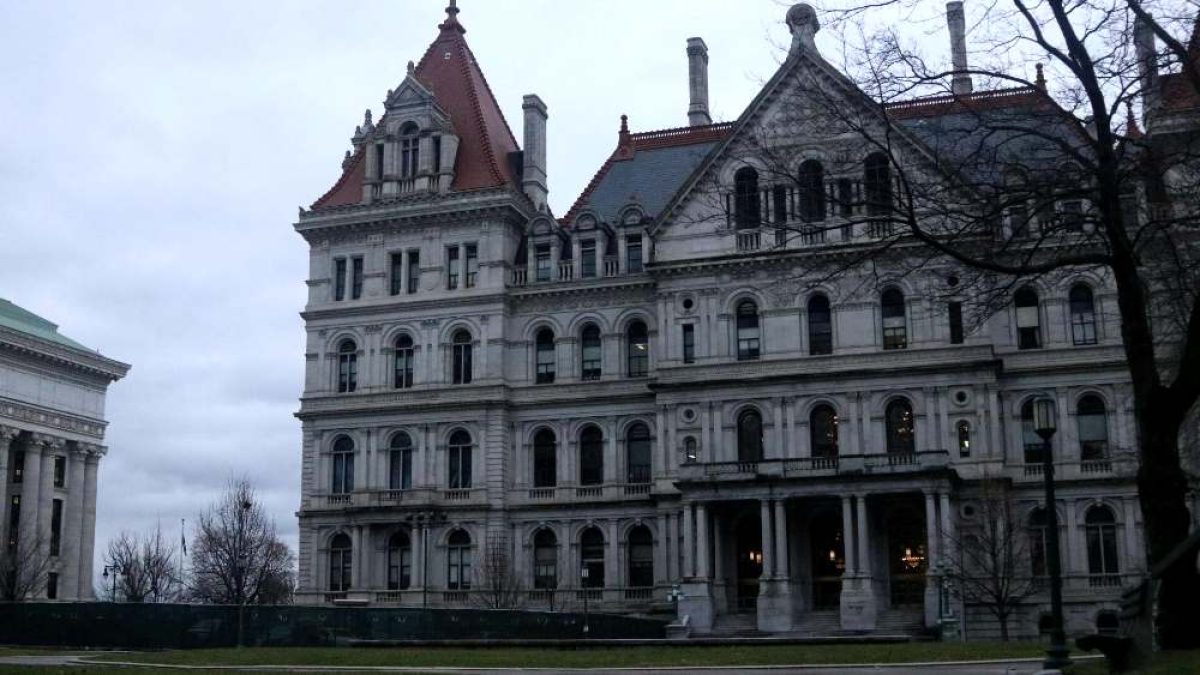
The Committee on Open Government is the state body charged with overseeing New York’s Freedom of Information Law (FOIL) and Open Meetings Law. By law it must meet at least twice a year. On Thursday morning it was scheduled to hold the second of those meetings and adopt its annual report to the governor and the Legislature.
It never got that far. Not enough of its own members showed up. At 10:10 a.m., ten minutes in, a slightly embarrassed Kristin Bergin, the committee’s acting executive director, called off the meeting for lack of a quorum.
This was government dysfunction on full display. It was also unprofessional, and disrespectful to the members of the public and the committee members who cleared their schedules and showed up.
The New York Coalition for Open Government has decried the sorry state of open government in this state for years. Agencies blow FOIL deadlines with no consequence. Boards duck into improper executive sessions. A resident whose request is wrongly denied has one real remedy, an Article 78 lawsuit, and pays for it up front. The Committee on Open Government is supposed to keep watch over all of it.
So who is on this committee? By statute, 11 people. Four sit because of their state jobs: the lieutenant governor, the secretary of state, the commissioner of general services and the budget director, who usually send delegates. The governor appoints five, including at least two from the news media and one elected local official. The leaders of the Senate and Assembly appoint one each.
Today there are nine. Both empty seats are Gov. Kathy Hochul’s to fill. One is the local government seat. Peter Grimm, who held it, told the committee in October 2025 that he wasn’t running for reelection and had already told the governor’s office he would need to be replaced. A year later, he hasn’t been.
None of this is new. In June 2023, eight groups, including Reinvent Albany, Common Cause, NYPIRG and the League of Women Voters, asked Hochul to fill two longstanding vacancies among her five appointees. She had three seated then. She has three seated now. If you want to know where transparency ranks among the governor’s priorities, there’s your answer.
The empty seats are why Thursday happened. Under state law a quorum is a majority of the full board, vacancies included, so the committee needs six members present whether 11 seats are filled or nine. In September it made quorum with exactly six, three of them delegates sent by state officials. On Thursday it fell short.
We asked the committee which members attended and which were absent. It had not answered by the time of publication.
The committee has also had no permanent executive director since March, when Shoshanah Bewlay, who ran it for six years, left to become general counsel of the Department of State, the agency that houses the committee and employs its staff. Bergin has been “acting” ever since. No permanent appointment has been announced.
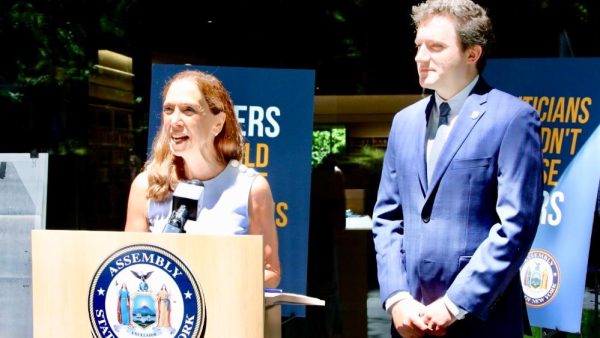
State Sen. James Skoufis has a bill, S387 (A1288 in the Assembly, carried by Clyde Vanel), that would rebuild the committee. It would take the state officials off the committee, so the people who run state agencies would no longer sit on the body that advises whether those agencies follow the law. All seven members would come from a public applicant pool and need Senate confirmation. The committee would meet monthly, hire its own executive director and decide FOIL appeals itself.
The committee opposes the overhaul. In the draft report it was supposed to adopt Thursday, it warns that monthly meetings and Senate confirmation would make it “difficult to find qualified, interested candidates,” especially “if in-person quorum requirements continue.”
So the committee worries that a reformed version couldn’t find people willing to attend 12 meetings a year. The current version couldn’t make quorum for one of two.
After Thursday, I tend to agree with Senator Skoufis. A body that tells every town board and school board in New York how to run a lawful public meeting should be able to hold its own.
The committee says it will reschedule. When it does, the governor’s two seats will probably still be empty.
We don’t need to wonder why open government in New York is in such a sorry state. The people tasked with overseeing it can’t even be bothered to show up.
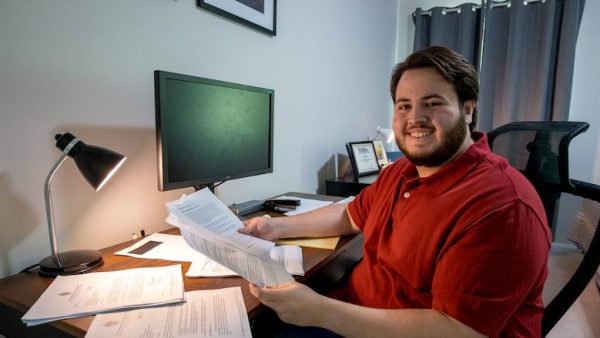
Axel Ebermann is a board member of the New York Coalition for Open Government.